

Why Are Rubber Ducks Always Yellow? The Surprising History and Meaning Behind the Iconic Color
Rubber ducks are one of the most recognizable toys in the world. Chances are, when you picture one, it’s bright yellow with an orange beak. But have you ever wondered: why are rubber ducks always yellow? Why not blue, green, or even the natural brown of a duck?
The answer lies in history, psychology, and culture. From the natural coloring of ducklings to clever toy design and even a famous Sesame Street song, the yellow rubber duck has become an enduring symbol of joy, comfort, and childhood play.
In this in-depth guide, we’ll explore why rubber ducks are almost always yellow, the history behind their design, and what that color means for both kids and adults. Plus, we’ll show you where to find collectible, themed, and modern variations at Le Petit Duck Shoppe, Canada’s largest rubber duck store.
The Origins of the Rubber Duck
The story of the rubber duck begins in the 19th century, when Charles Goodyear’s discovery of vulcanized rubber in 1839 made durable, flexible toys possible. Early rubber ducks weren’t floating bath companions at all. Instead, they were solid chew toys designed for teething children.
By the late 1800s, inventors began patenting hollow designs that could float. In 1947, sculptor Peter Ganine patented a floating duck toy that sold over 50 million copies. His smiling, wide-eyed design became the foundation for the duck we know today.
Why This Matters for Color
Ganine’s version emphasized playfulness and friendliness. To make the toy more appealing, designers leaned into bright colors, and yellow quickly became the standard.
Why Are Ducklings Yellow?
To understand why toy ducks are yellow, we first need to look at real ducklings.
- Pekin ducklings, one of the most common domesticated breeds, hatch with soft yellow down before turning white as adults.
- Farmers and families often associated yellow ducklings with innocence, warmth, and youth.
- Toy makers borrowed from this natural association to create a color that instantly signals cuteness.
In short, ducklings are yellow in nature, so rubber ducks followed suit. This connection helped them feel familiar and endearing.
Rubber Duck Yellow: The Psychology of the Color
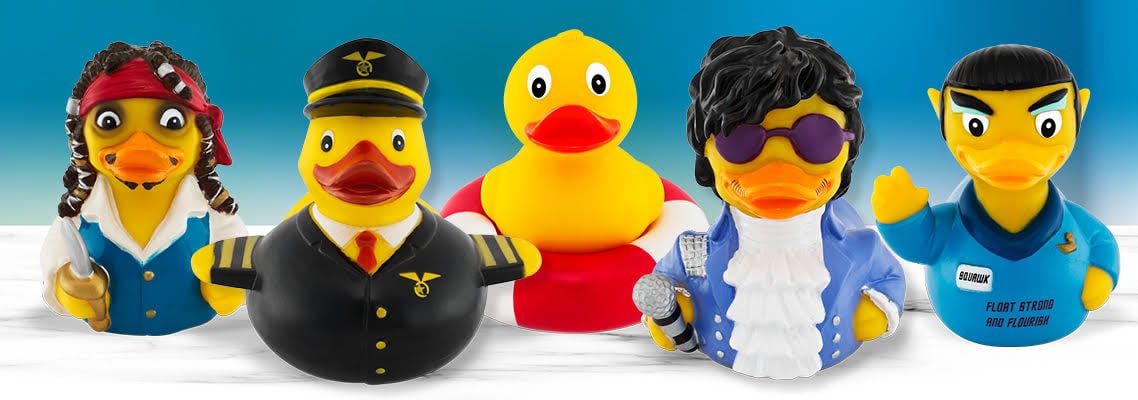
The choice of rubber duck yellow isn’t random; it’s deeply rooted in color psychology, marketing strategy, and child development. For decades, designers and toy makers have relied on yellow to capture attention, create emotional connections, and reassure parents that the product is safe and appealing. Let’s break down why this particular shade works so well.
1- Visibility in Water
One of the most practical reasons for the rubber duck color is simple visibility. Yellow is among the most luminous colors in the spectrum, second only to white in brightness. In dim bathroom lighting or soapy water, a yellow duck stands out far more than darker shades like brown or green. This ensures children can easily keep track of their toys, preventing frustration and making bath time more fun. For parents, this visibility adds peace of mind; there’s no risk of the toy “disappearing” under bubbles or water.
2- Associations with Happiness
Psychologists have long studied how colors influence mood. Yellow is strongly associated with joy, energy, optimism, and positivity. It triggers feelings of warmth and playfulness, which are exactly the emotions parents want bath time to encourage. Imagine the difference between a gray bath toy and a cheerful yellow one; the brighter option instantly feels more inviting, especially to young children developing emotional responses to their environment. In fact, many daycare centers and classrooms also use yellow décor to stimulate creativity and cheerfulness, further reinforcing the toy’s positive perception.
3- Safety and Trust
Parents are naturally selective when it comes to children’s toys. Bright colors like yellow signal safety, cleanliness, and trustworthiness. Unlike darker tones that might appear dull or dirty over time, yellow feels fresh and hygienic. The choice also aligns with a broader trend in children’s products, where bold, primary colors dominate because they engage toddlers’ developing eyesight and make toys easier to differentiate. For manufacturers, this creates a universal standard: when you see a rubber duck yellow toy, you immediately think of warmth, play, and safety—three qualities no parent wants to compromise.
| Reason | Why Yellow Works for Ducks | Example |
|---|---|---|
| Natural association | Matches duckling down | Pekin ducklings |
| Visibility | Stands out in water | Bathtub play |
| Emotional impact | Linked to joy & youth | Bath-time rituals |
How Culture Reinforced the Yellow Rubber Duck
Color choices are cultural as much as practical. The yellow rubber duck became iconic in the 1970s thanks to Sesame Street.
- Ernie’s “Rubber Duckie” song (1970) skyrocketed the toy to fame. The bright yellow duck featured on screen created a cultural standard.
- The song reached #16 on the Billboard charts, cementing the duck as a symbol of fun.
- From then on, children (and adults) expected rubber ducks to be yellow; anything else looked unusual.
This cultural reinforcement ensured the yellow duck became the global default.
Variations: Beyond Yellow Ducks
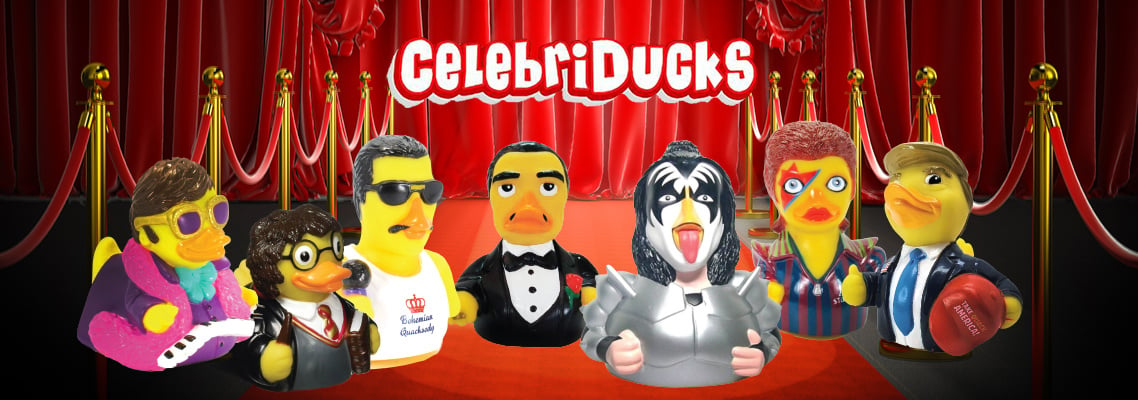
While yellow is classic, the modern market is full of creative twists.
- Novelty ducks: themed around professions (doctors, firefighters, athletes).
- Holiday ducks: Ch
Halloween ristmas, Halloween, Valentine’s Day.
- Collector editions: from small keychains to giant ducks used in public art displays.
- Eco-friendly ducks: made of sustainable materials rather than vinyl.
Collectors today value both the traditional yellow and the more unusual colorways. At Le Petit Duck Shoppe, you’ll find many designs for every occasion.
Symbolism: What the Yellow Rubber Duck Represents
The yellow duck is more than a toy; it’s a cultural symbol.
- Childhood innocence: The duck represents the carefree joy of youth.
- Positivity & resilience: Floating ducks embody “rising above” challenges.
- Community & charity: Rubber duck races raise money for nonprofits worldwide.
This symbolism keeps the yellow duck relevant across generations.
The 1992 Friendly Floatees ocean spill
Another reason the yellow rubber duck became impossible to ignore arrived in January 1992, when a cargo ship lost approximately 29,000 of them in the Pacific Ocean. These rubber ducks drifted for years, washing ashore worldwide. Oceanographers used their drift patterns to map ocean currents, turning a shipping accident into a valuable climate research tool. Yellow ducks were the most visible and most reported, reinforcing their place in yellow rubber duck history and proving the color's advantage in open water.
Why Shop Ducks at Le Petit Duck Shoppe?
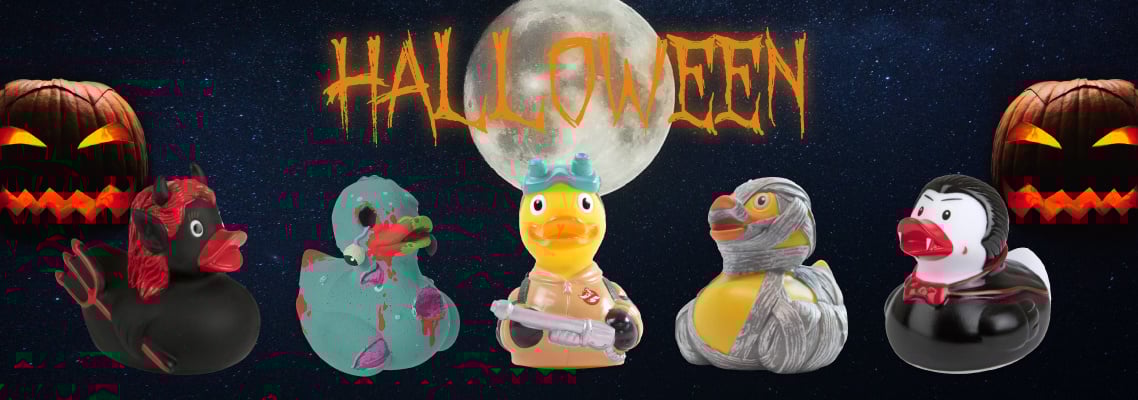
If you’re wondering where to find not only the classic rubber duck yellow design but also hundreds of creative variations, look no further than Le Petit Duck Shoppe. We are dedicated to everything duck, offering a one-of-a-kind shopping experience that goes far beyond ordinary bath toys.
Why Choose Le Petit Duck Shoppe?
- Extensive variety: With hundreds of designs available, you’ll discover ducks that celebrate every theme imaginable, professions, holidays, hobbies, sports teams, and even quirky novelty designs. Whether you’re searching for the traditional yellow rubber duck or a limited-edition character, the options are endless.
- Unique designs: Our rubber duck designs are different from regular rubber ducks because they offer a unique twist on the traditional rubber duck. While most rubber ducks follow a simple design, our collection features a wide variety of fun, detailed, and themed ducks that reflect creativity and artistry. From themed rubber ducks that are inspired by animals and characters to pop culture figures and seasonal designs, there is something for everyone. Each design is crafted with careful attention to detail, making each duck a collectible item .
- Collectible value: Serious collectors will appreciate the range of styles, many of which are rare and limited-edition. Many designs are exclusive, making them highly sought after by rubber duck enthusiasts around the world.
- Perfect for gifting: Rubber ducks make charming, nostalgic presents suitable for all ages. Whether it’s for a child’s first bath toy, a friend’s quirky birthday surprise, or a collector’s must-have item, these ducks bring smiles across generations.
At Le Petit Duck Shoppe, shopping is more than a transaction; it’s an invitation to relive happy memories, spark joy, and even start your own rubber duck collection. From classic yellow ducks that recall childhood bath times to bold, creative designs that showcase personality and humor, our shop has truly turned a simple ducky into a global collectible phenomenon.
Conclusion
So, why are rubber ducks always yellow? Because yellow ties back to real ducklings, psychology, and culture. It’s the perfect mix of nature, design, and nostalgia.
From their early rubber beginnings to their rise as a global icon, rubber duck yellow has stood the test of time. And thanks to stores like Le Petit Duck Shoppe, the tradition continues, while offering new twists for collectors and fans.
FAQ
Why are rubber ducks always yellow?
Rubber ducks are almost always yellow because the color connects directly to nature, psychology, and culture. Many breeds, such as Pekin ducklings, are born with soft yellow down, making the toy feel instantly familiar and cute. Yellow is also one of the most visible colors in water, which makes it easy for kids to spot their toy during bath time. Psychologically, yellow is associated with joy, playfulness, and warmth, perfect traits for a childhood toy. Finally, cultural icons like Sesame Street’s “Rubber Duckie” cemented the rubber duck yellow standard, making it a global symbol of fun and nostalgia.
What was the original color of rubber ducks?
Early rubber toys in the late 19th century were made from natural rubber or celluloid, producing off-white, cream, or pale tones rather than the bright yellow we recognize today. Yellow became standard as manufacturing evolved and soft plastics replaced harder materials. Pigment was easier to apply, and yellow echoed a duckling's familiar hue. Cultural reinforcement through decades of consistent production and pop culture moments locked yellow in as the universal answer to why rubber ducks are yellow.
Why did the yellow rubber duck become so famous?
The yellow rubber duck's fame came from a convergence of factors. Peter Ganine's widely distributed floating design in the late 1940s introduced the duck to homes everywhere. Sesame Street's "Rubber Duckie" song in the 1970s pushed it into mainstream pop culture, creating deep emotional associations with joy, nostalgia, and yellow rubber duck history. Consistent manufacturing kept yellow the universal default. Over time, the yellow rubber duck evolved from a bath-time staple into a beloved collectible cultural icon.
Do rubber ducks come in other colors?
Yes, while yellow is the classic, rubber ducks today come in countless colors and designs. From bright red and neon green to multi-patterned ducks dressed as superheroes, nurses, or holiday characters, the variety is enormous. Specialty shops and collectors have embraced these variations to celebrate creativity and personal expression. Even giant inflatable ducks in public art displays have taken on unique colors and themes. Yet, no matter how creative these designs get, the rubber duck yellow version remains the most iconic and widely loved. It’s the original that continues to define what people expect from the toy.
Where can I buy collectible rubber ducks?
You can find collectible and themed rubber ducks at Le Petit Duck Shoppe, Canada’s largest rubber duck store. We carry hundreds of styles of rubber ducks, from traditional yellow rubber ducks to holiday, sports, and career-themed versions. Collectors can even find rare and limited-edition ducks that add value and uniqueness to their display. Shopping here ensures quality, variety, and authentic designs that go beyond the standard bath duck. Whether you want to relive childhood memories, start a quirky collection, or give a charming and adorable gift, Le Petit Duck Shoppe is the go-to destination for all things rubber ducky.


